
For workplaces
Commercial Moving in Northern Colorado
A commercial move has different pressure points than a household relocation. Departments need to keep operating. We coordinate with your IT team or a specialist to handle equipment disconnection and reconnection before and after the move. Building management often requires certificates of insurance, dock reservations, and designated loading windows. Roaring Lion Movers addresses those requirements in the written scope before the move. The process starts with a survey of both locations – the current workspace and the destination. Elevators, loading docks, building hours, and management requirements are recorded. Department- and asset-level labeling is planned so each item arrives at the correct workstation, not just the right floor.
Tell us about the move
Get a moving estimate.
What to expect
Prepare for pickup and arrival.
Give Roaring Lion Movers the access windows and destination priorities. Agree the moving arrangements with the people coordinating both properties.
- Discuss the scope before booking
- (970) 776-6321
What Sets Commercial Moving Apart
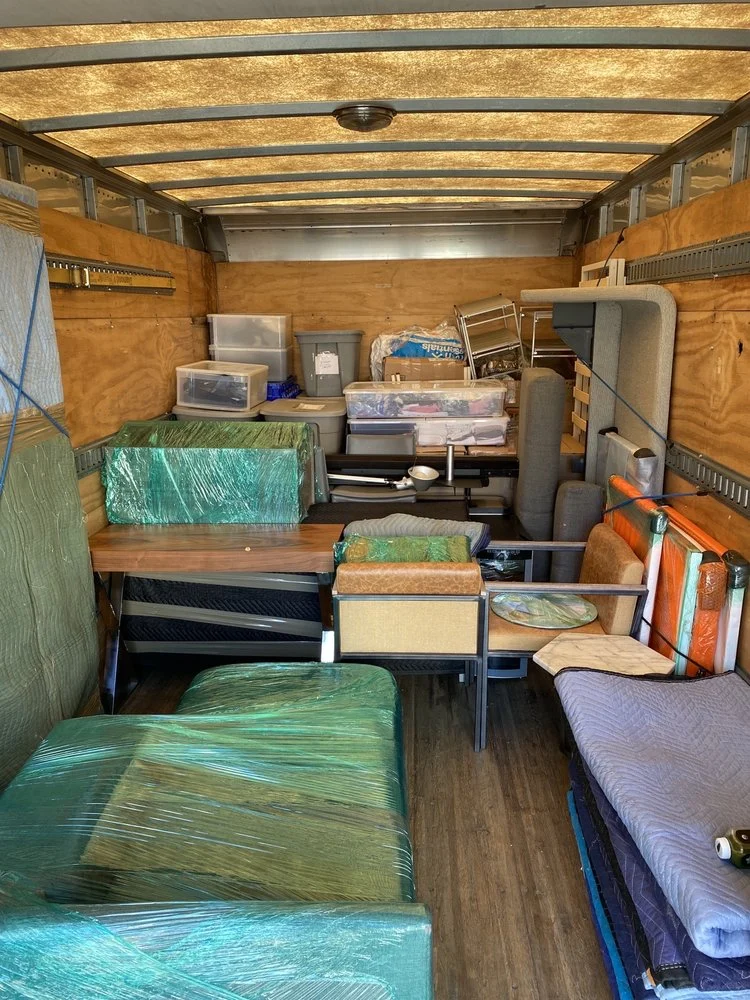
A phased loading schedule is built around the business operations. If one department can be packed and moved while another continues working, that sequence is documented. A single point of contact on the business side keeps decisions moving without guesswork.
If an evening or weekend move would reduce disruption, share the window you need and ask Roaring Lion Movers to confirm availability. The scope covers access, timing, inventory, responsibilities, and the destination placement plan. The same written document guides the crew from the first load to the final reconciliation.
What a move involves
What we handle on commercial moves
Office furniture
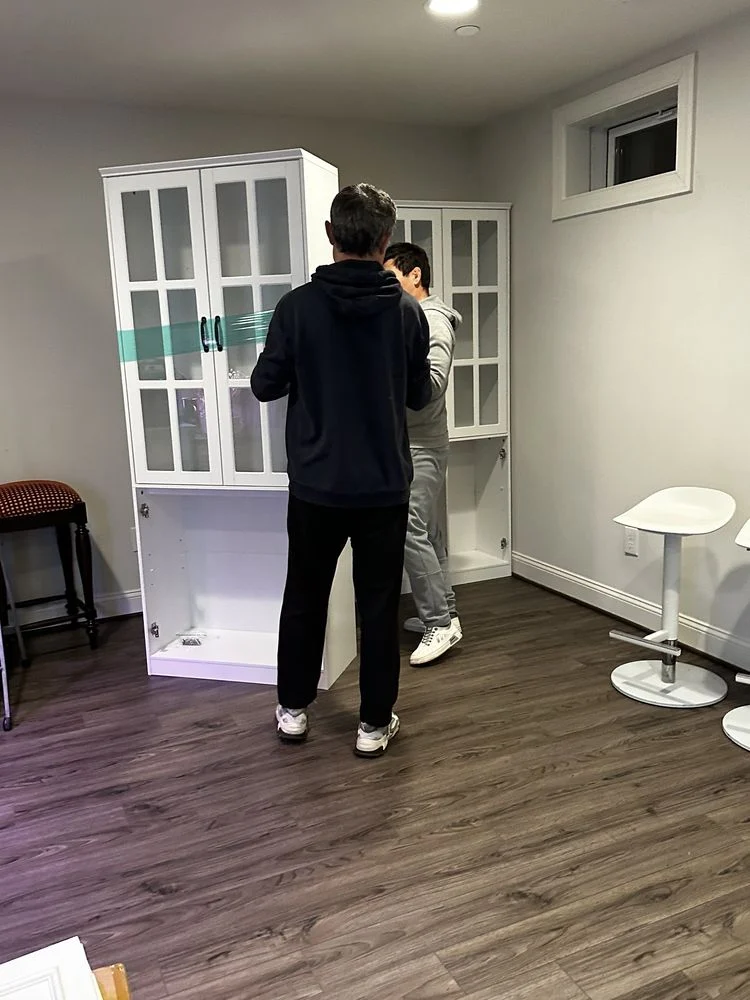
We list desks, chairs, workstations, conference tables, assembly needs, and destination rooms in the written scope.
Retail displays/stock
We handle fixtures, shelving, displays, and grouped inventory, flagging fragile or high-value items.
Records and equipment
File boxes, cabinets, and office equipment move after your IT team or specialist handles disconnects/reconnects.
Building access
We confirm freight elevators, docks, stairs, parking, and any required building forms.
How it runs
Survey, labeling, phased loading, and placement
-
Survey both locations
We review the current space and the new one in person or by video. The goal is to identify what moves, what gets taken apart, what stays, and how access works at each building. That information is used to build the written scope.
-
Label and phase
Each item is labeled to match the destination layout. The move is split into phases so the loading order follows the plan, and both the labels and the phase order are listed in the written scope before move day.
-
Destination placement and scope review
At the destination, items are placed in the rooms marked on the plan. Once placement is finished, the customer reviews the written scope and the final layout together. That review is the point to flag anything that was placed in the wrong room, so the crew can move it before leaving.


Survey both locations
Send the layouts, the equipment, and the building requirements.
A commercial request should carry the current and new workspace details, the team involved, and the access rules at both buildings.
Use the commercial form-
Inventory and labeling
Group items by department or asset so each piece has a destination.
-
Building requirements
Add certificates of insurance, dock reservations, and loading windows.
-
Workstation plan
Share the destination layout so items arrive at the correct workstation.


Request an estimate
Discuss commercial moving with Roaring Lion Movers.
Describe your commercial move - both locations and the team size involved - by calling or starting with the estimate form.